What to do if your roof is damaged in a hurricane
First protect people, stay away from electrical and structural hazards, and do not climb on the roof. Once conditions are safe, photograph damage from the ground and indoors, limit water entry only through safe steps, call your insurer, keep receipts, and get clear written scopes before permanent work begins.
- No sign-up or contact form
- Shows every factor it uses
- Updated November 5, 2026
Two lists with their own progress bars. Your ticks stay while this page is open.
Interactive Hurricane Roof Checklist
Pick before or after the storm and tick what is done.
What are the first safe actions?
Check everyone, follow evacuation or reentry directions, and avoid fallen lines, floodwater, gas odors, broken trees, and a sagging structure. If a room has a bulging ceiling or major roof movement, close it off. Do not enter an attic with wet wiring or uncertain framing.
For manageable indoor drips, move belongings and use buckets or plastic to protect finishes. Turn off power to an affected area only if you can do so safely and know the correct control. Never climb onto a wet or damaged roof to stop a leak.
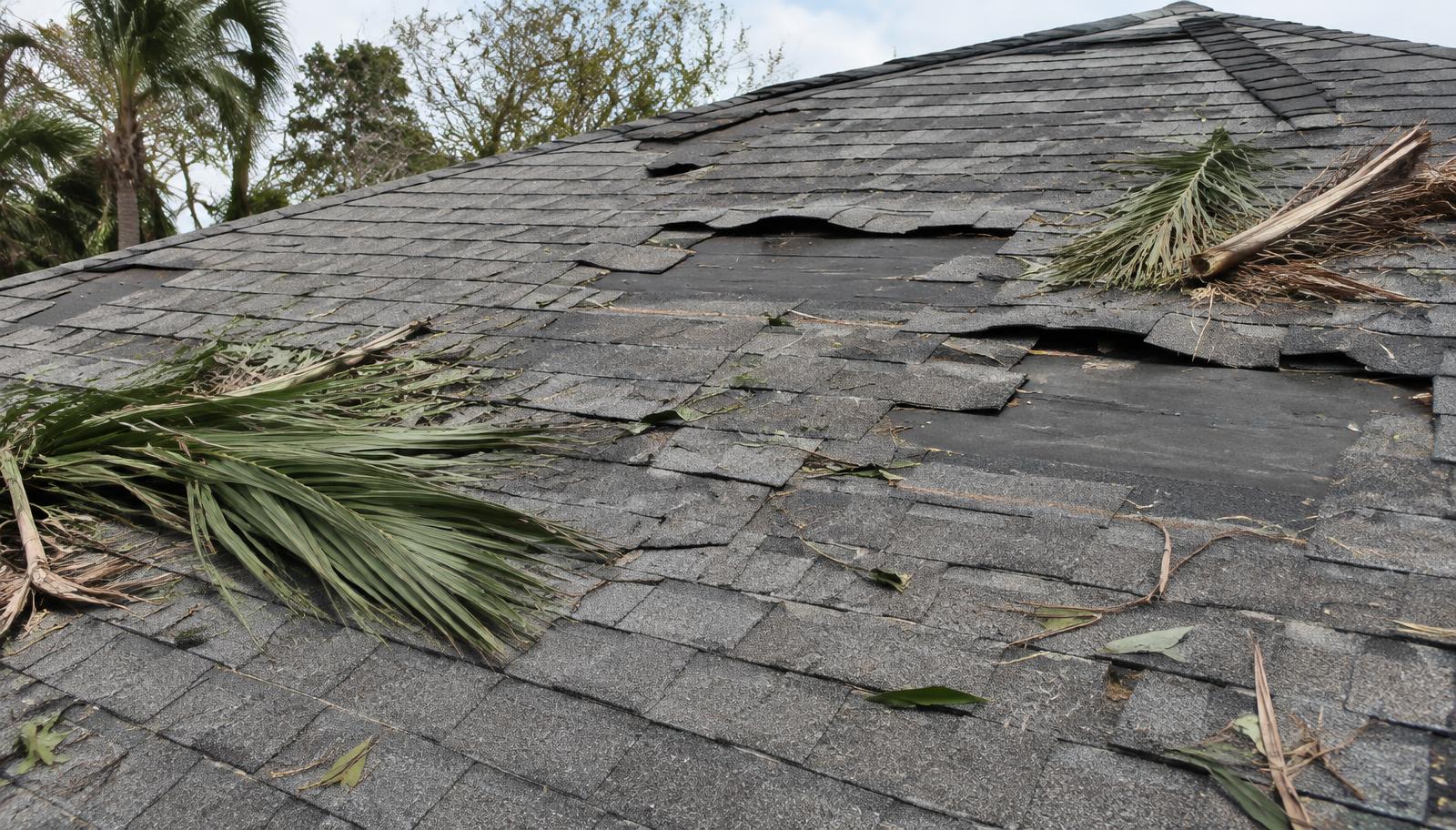
How should damage be documented?
Take wide ground photos of every side, then zoom in on missing material, impact areas, vents, edges, and debris. Photograph interior stains, wet contents, and temporary protection before and after it is placed. Write down the storm date, when damage was discovered, and each contact.
Keep original files and make a simple folder for photos, policy information, claim notes, estimates, and receipts. Do not discard damaged pieces or begin major demolition until the insurer gives instructions, unless immediate action is needed to prevent danger or further water entry.
How do temporary and permanent work differ?
Temporary work limits additional harm. It may include safe interior water control or a professionally installed tarp. Keep receipts and photograph the work. A tarp is not a permanent roof and should not be installed during unsafe wind, rain, or lightning.
Permanent work should follow a clear written scope that identifies damaged areas, materials, deck work if discovered, cleanup, and warranties. Compare more than price. If two assessments disagree about repair versus replacement, ask each person to show the physical reason and affected area in plain language.
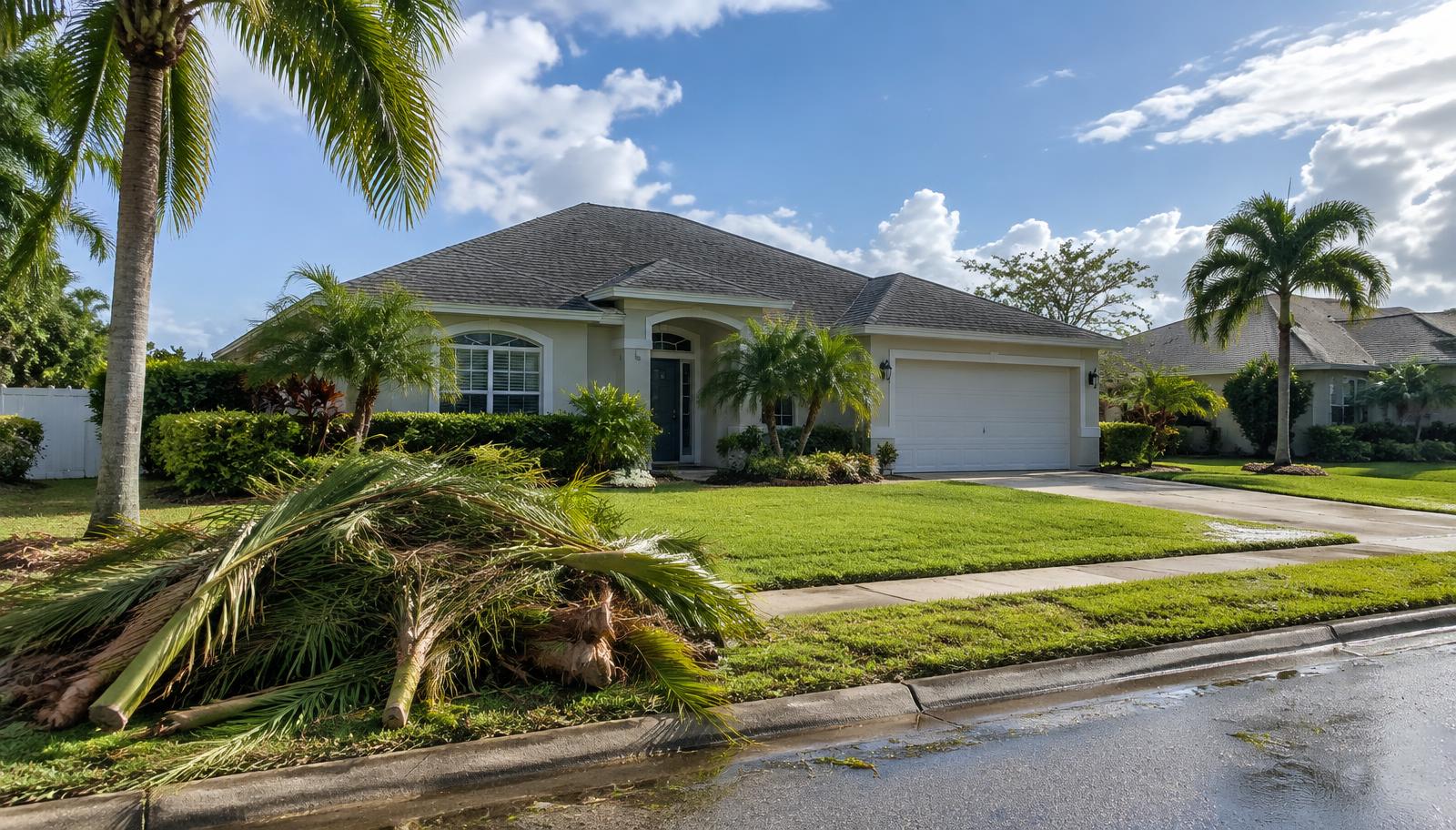
Respond to hurricane roof damage
- Confirm people are safe.
- Avoid lines and unstable areas.
- Control indoor water from safe locations.
- Photograph from the ground and indoors.
- Call the insurer.
- Save receipts and contact notes.
- Use temporary protection only when safe.
- Compare written permanent-work scopes.
Common questions
Do I call insurance or arrange roof work first?
Handle immediate safety and reasonable temporary protection first, then call the insurer promptly for instructions before major work. Document every step and keep receipts. The insurer can explain its inspection and claim process for your policy.
Can I tarp the roof myself?
Only if access, weather, and the structure are clearly safe, which is often not true after a hurricane. Wet surfaces and hidden deck damage make falls more likely. Ground-level indoor water control is safer while qualified help is arranged.
What if water appears days later?
Document the new stain or drip immediately, protect the area, and update the insurer. Water can travel and may only show during later rain. Save new photos with dates and do not climb up to trace the path. Note the weather and exact room so later reviewers can compare the indoor clue with roof features. Keep damaged contents in the photo record until instructions are clear.
Updated November 5, 2026