How to tell if your roof has storm damage
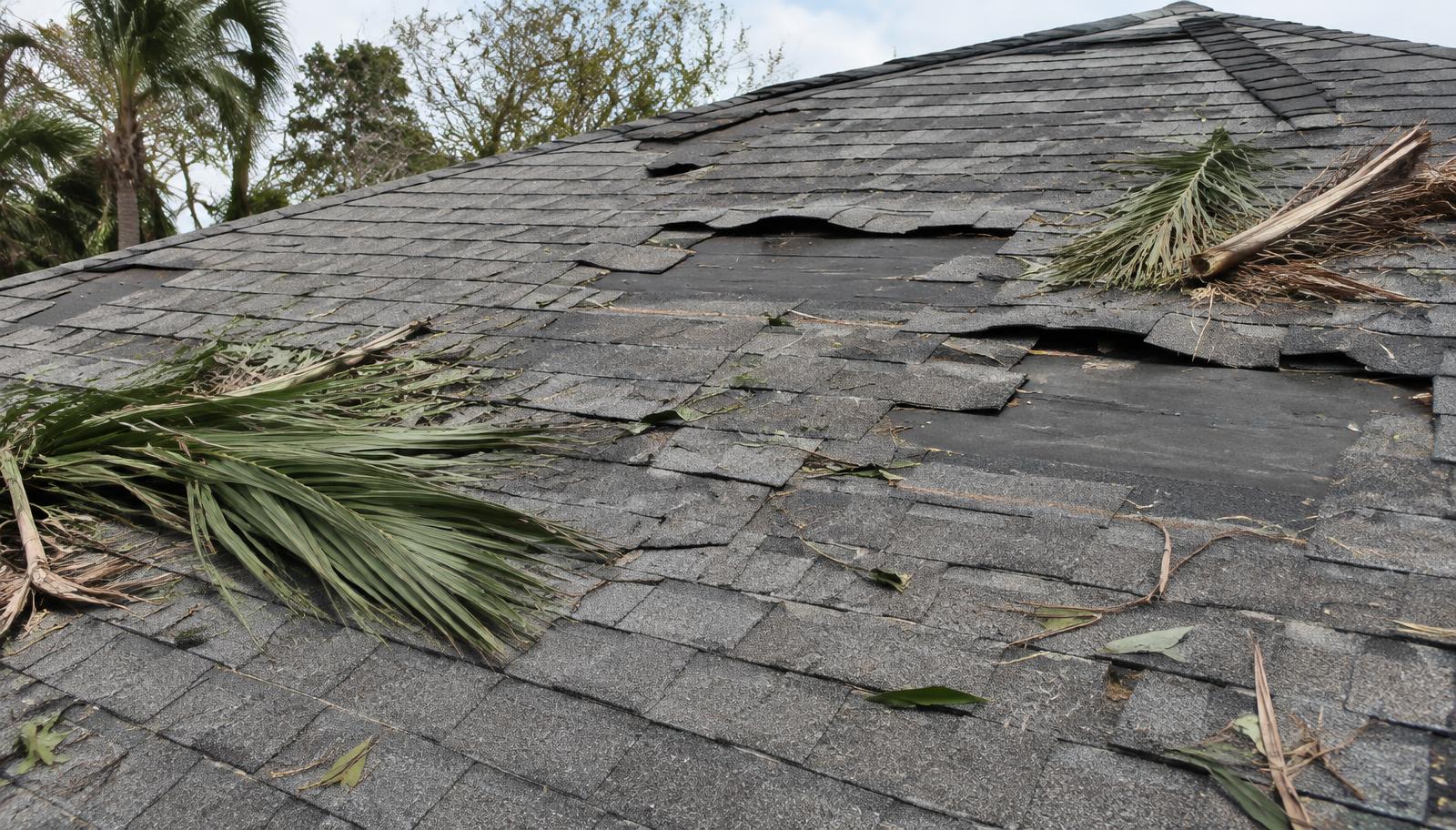
You can spot possible storm damage through missing or lifted roof pieces, dented metal, fallen debris, damaged edges, new indoor stains, or an uneven roofline. Check only from the ground and safe indoor areas. Some damage is hidden, so a clean curb view does not prove the roof is sound.
- No sign-up or contact form
- Shows every factor it uses
- Updated November 5, 2026
Two lists with their own progress bars. Your ticks stay while this page is open.
Interactive Hurricane Roof Checklist
Pick before or after the storm and tick what is done.
What can you see safely outside?
After officials say conditions are safe, walk around the property while watching for power lines, broken branches, sharp debris, and unstable structures. Photograph missing shingles or tile, peeled metal, damaged vents, punctures, bent gutters, and debris impact. Use zoom rather than moving under a hanging piece.
Compare the scene with pre-storm photos if available. Wind damage often begins at edges, corners, ridges, and already loose details. Hail can leave dents on softer metal or knock granules from shingles, but ground photos may not confirm the cause. Avoid confident labels until a qualified review.
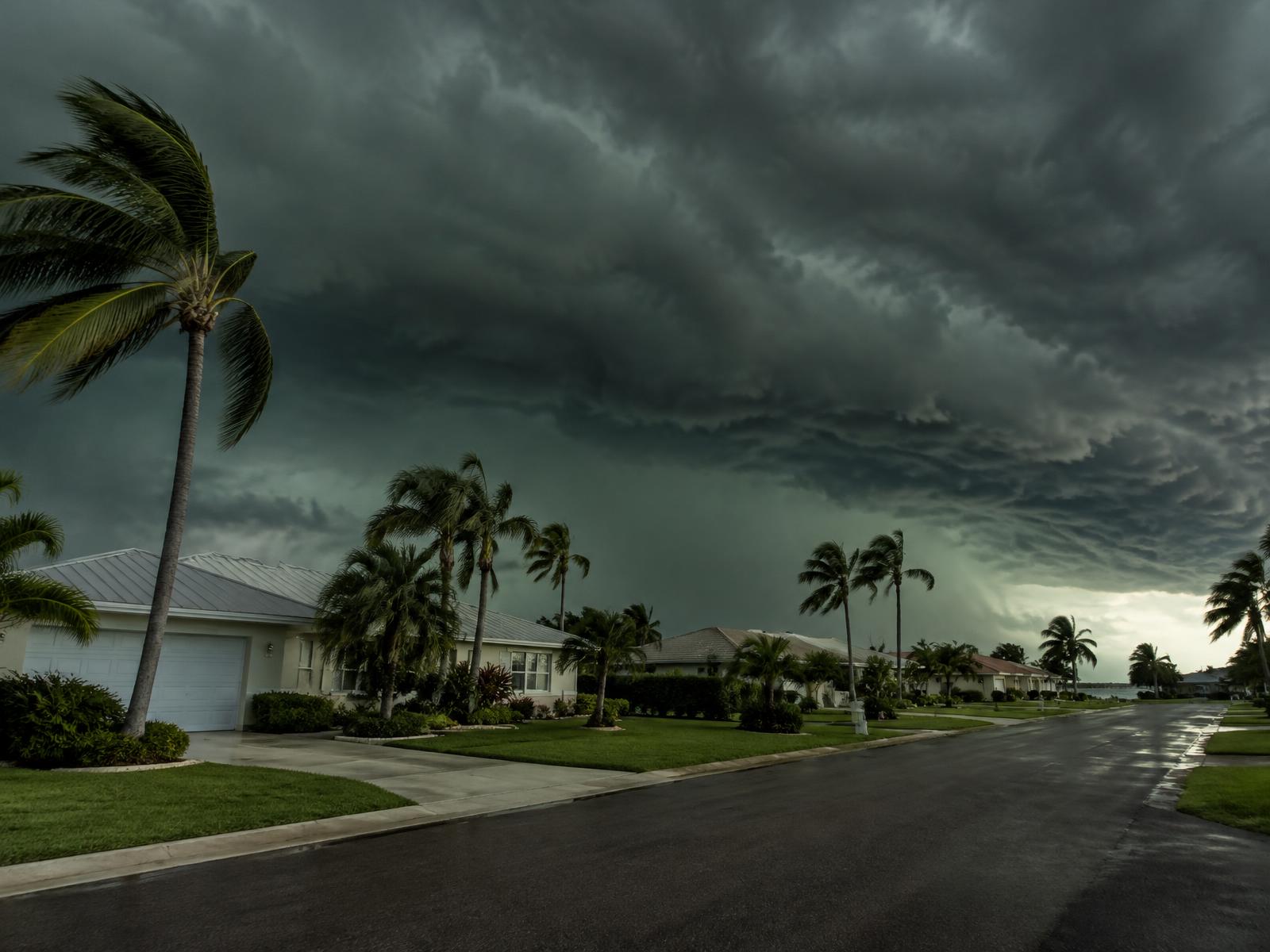
Which indoor clues matter?
Look for fresh ceiling rings, damp drywall, bubbling paint, wet insulation, musty odors, or daylight in the attic area. Check after the next safe rainfall because wind-driven water can take time to appear. Mark the edge of a stain lightly and note the time so growth is easier to track.
Water may travel along decking or framing before dripping, so the ceiling spot may not sit below the entry point. Move belongings, catch drips, and avoid wet electrical fixtures. Do not cut into a bulging ceiling while standing beneath it; the collected water and weakened material can fall.
When does the situation need urgent help?
Stay out of areas below a sagging roof or ceiling, visible structural movement, fallen trees, or electrical hazards. Emergency services handle immediate life danger. For property damage, contact the insurer and qualified help once safe. A small active leak also deserves timely control because repeated summer rain can spread damage quickly.
Keep photos, written observations, temporary-work details, and receipts. Do not throw away damaged material until the insurer explains what should be retained. Never climb on a wet or storm-damaged roof, even if the missing area looks close to a ladder.
Common questions
Can a roof have storm damage without leaking?
Yes. Wind can loosen seals or edges, and impact can damage material before water reaches the ceiling. A leak-free interior is encouraging but not proof. Document visible changes and arrange a condition review when exposure was severe or signs appear.
Are granules in gutters always storm damage?
No. Shingles shed some granules through age and normal wear. A sudden large amount combined with fresh bare spots or other impact signs deserves attention. Compare with older photos and avoid assigning a cause from granules alone.
Should I walk around immediately after the wind stops?
Wait until officials say conditions are safe. Lines, branches, flooding, lightning, and loose material can remain dangerous after the strongest wind passes. Start indoors, then inspect from a clear ground route in daylight. Wear sturdy shoes, keep children and pets inside, and do not move debris that supports another damaged object.
Updated November 5, 2026