How do I prepare my roof for a hurricane?
Prepare your roof by checking it from the ground, fixing known weak details early, clearing drainage, reducing flying debris, and saving current photos and records. Finish this work before watches or warnings. Plan where you will go, who will help afterward, and how you will control indoor leaks safely.
- No sign-up or contact form
- Shows every factor it uses
- Updated November 5, 2026
Two lists with their own progress bars. Your ticks stay while this page is open.
Interactive Hurricane Roof Checklist
Pick before or after the storm and tick what is done.
What can you inspect without climbing?
Stand well back and use zoom to inspect roof edges, ridge pieces, vents, flashing, gutters, and visible covering. Look for lifted or missing pieces, rusted edges, debris piles, and a wavy line. Check ceilings after a hard afternoon rain for fresh stains. Early repairs are easier to arrange before hurricane-season demand rises.
Do not walk the roof to test it. Foot traffic can crack tile, scuff shingles, and expose you to a fall. If the view is blocked or a concern appears, arrange a qualified inspection. Residents of manufactured-home parks should ask the office before exterior work because community rules and approved methods may apply.

How do you reduce wind and water problems?
Clean gutters and downspouts from a safe setup, and make sure discharge does not pool beside the home. Secure or store furniture, planters, grills, antennas, decorations, and tools. Have weak limbs trimmed before conditions deteriorate. Check shutters and doors because a protected building envelope works as a system.
Inside, identify the attic access, main electrical shutoff, buckets, towels, plastic sheeting, and a dry place for records. Do not cover attic vents or make last-minute roof changes without understanding their effect. A rushed patch can trap water or tear loose in wind.
What should your documentation plan include?
Take dated photos of all roof slopes from the ground, exterior elevations, ceilings, and visible attic surfaces. Save the installation year, material, warranty, inspection reports, and past work receipts. Put copies of insurance details and important contacts where they can travel with you.
After a storm, wait for safe conditions and repeat the same photo angles. Record when you first saw damage or water. Call the insurer before major work, follow instructions for temporary protection, and keep every receipt. This creates a clear before-and-after record without risking a climb.
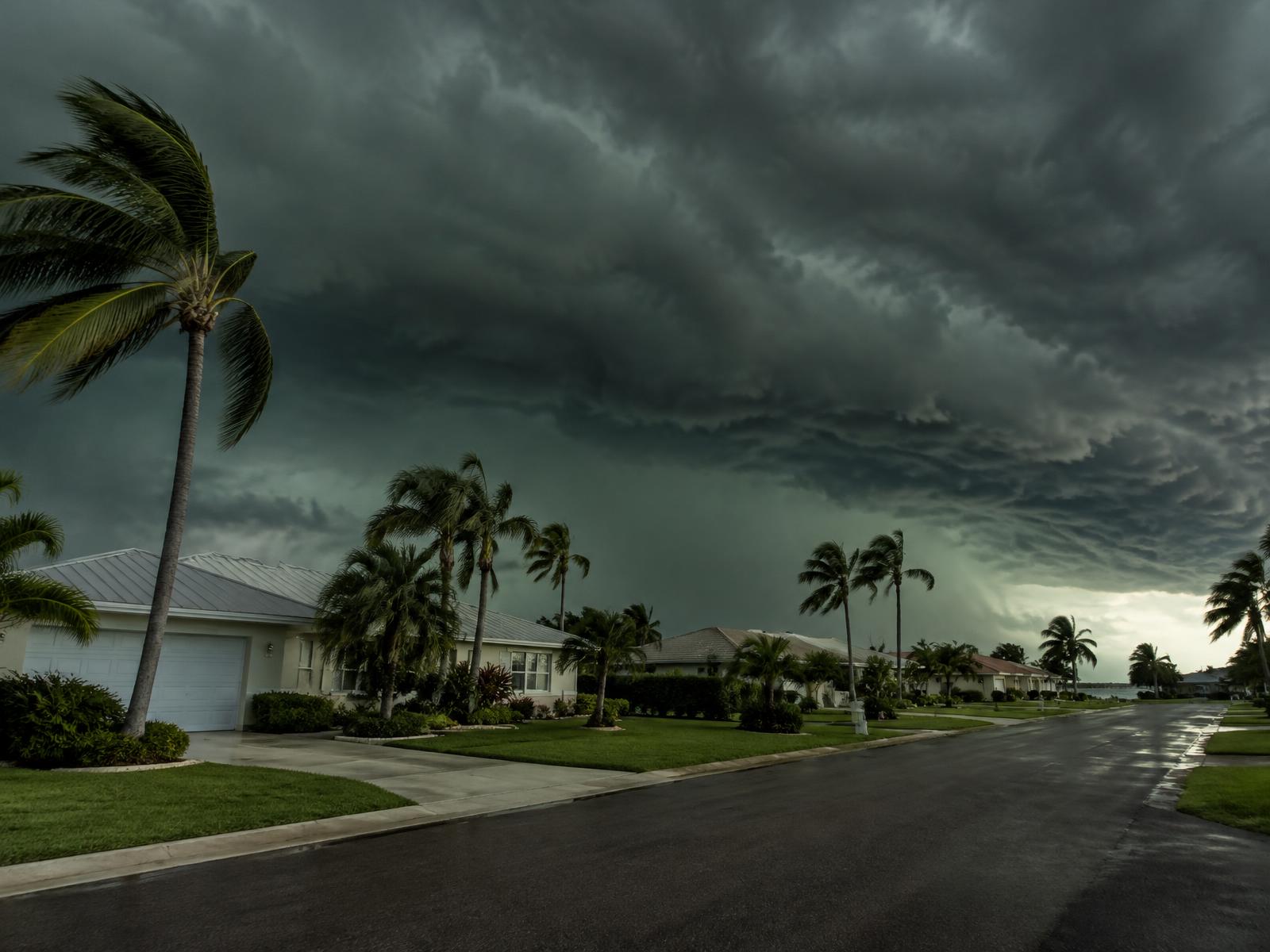
Prepare a roof before hurricane weather
- Inspect from the ground.
- Arrange early repairs.
- Clear drainage safely.
- Store loose outdoor objects.
- Photograph roof and ceilings.
- Protect roof and insurance records.
- Prepare indoor leak supplies.
- Review the after-storm sequence.
Common questions
How early should I prepare my roof for hurricane season?
Review it before June 1 and after any major weather event. Repairs, tree work, and inspections become harder to schedule when a storm is already forecast. Refresh ground photos and supplies early, then do a short check when conditions change.
Should gutters be removed before a hurricane?
No general rule calls for removing sound gutters. Secure, clear gutters help move heavy rain away. Loose, detached, or badly damaged sections should be addressed early because they can tear free. Do not attempt last-minute work in wind or rain.
Can I check hurricane straps from the attic?
Some connections may be visible from a safely accessible attic area, but insulation and tight spaces can hide them. Do not crawl into unsafe areas. A wind-mitigation inspection is the usual way to document roof-to-wall connections and related features.
Updated November 5, 2026