Hurricane Roof Checklist for Florida's Gulf Coast
Prepare a roof for a hurricane by reducing loose hazards, checking drainage and visible roof details from the ground, protecting records, and planning safe actions after the storm. Use the two-tab checklist before conditions worsen and after officials say it is safe. Never climb on a wet or damaged roof.
- No sign-up or contact form
- Shows every factor it uses
- Updated November 5, 2026
Two lists with their own progress bars. Your ticks stay while this page is open.
Interactive Hurricane Roof Checklist
Pick before or after the storm and tick what is done.
What should happen before the forecast gets urgent?
Start with work that does not require roof access. Use binoculars or a phone zoom from the ground to look for lifted edges, missing pieces, loose vents, and damaged flashing. Clear gutters only from a safe position and confirm downspouts move water away from the home. Trim weak branches through appropriate help. Bring in patio furniture, decorations, and tools that could become wind-borne debris.
Photograph each roof side, exterior wall, and indoor ceiling before the storm. Save roof installation papers, inspection reports, policy details, and prior repair receipts in a dry place that is easy to reach. Manufactured-home residents should also know where the HUD data plate information is kept. In a 55+ park, ask the office about storm procedures and exterior-work rules before crews are busy.
What belongs in an after-storm safety plan?
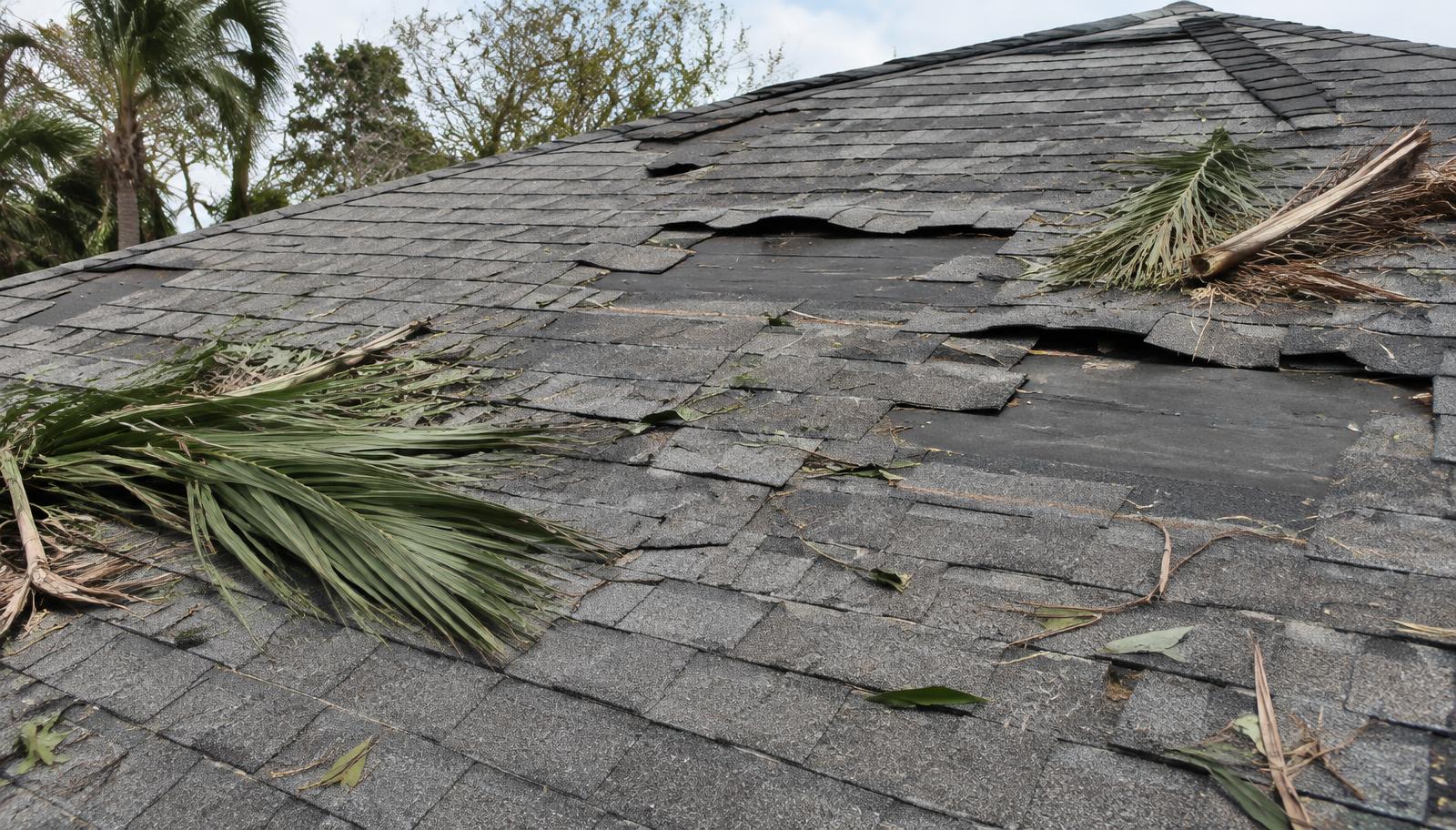
Wait for local officials to say travel and outdoor conditions are safe. Look first for fallen power lines, broken trees, hanging metal, unstable walls, and a sagging roofline. Stay away from any danger. Do not climb on a wet or storm-damaged roof. Take wide photos from the ground, then closer zoom photos without standing beneath loose material.
Inside, move belongings from active drips, place buckets, and protect flooring. Photograph stains before cleaning. A tarp can reduce water entry, but only when a capable person can install it safely. Strong wind, lightning, wet surfaces, and uncertain roof decking make roof work unsafe. Keep receipts for temporary protection, cleanup, and emergency lodging, and call your insurer for instructions before major work.
Why do Gulf Coast homes need a written checklist?
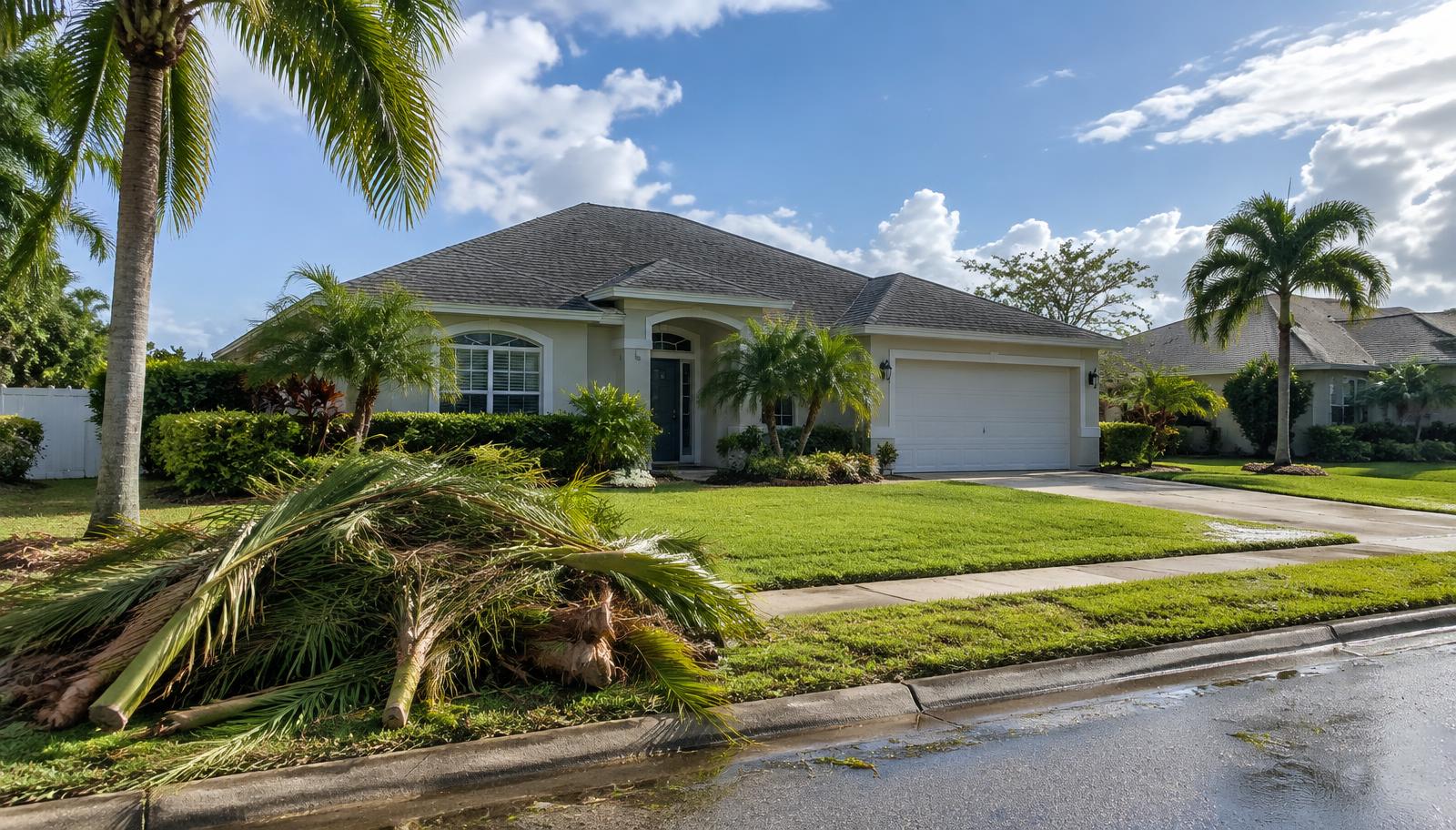
Hurricane season runs June 1 through November 30, and west Pasco can also get intense summer downpours without a named storm. Stress makes small steps easy to forget. A written sequence protects the basics: people first, then documentation, indoor water control, insurance contact, and careful repair decisions. It also helps an older homeowner hand tasks to family or a trusted neighbor without relying on memory.
Older block homes near the US-19 corridor may have additions, low-slope porch roofs, or past repairs that drain differently. Salt air can weaken exposed fasteners and metal edges. The checklist cannot certify those details, but it can flag where to look safely. Review it at the start of each season, update your photos, and replace missing records before a warning is issued.
How should you assign checklist tasks?
Give ground photos, record gathering, indoor supplies, pet plans, and park-office questions to people who can complete them safely. Leave tree cutting, roof access, electrical hazards, and structural concerns to qualified help. Write down who is handling each item and when it was completed. If evacuation is ordered, stop property work and leave. A checked box never takes priority over personal safety or official directions. Share the plan with anyone who may check the home after you leave.
Prepare and check your roof safely
- Review the roof from the ground.
- Reduce loose outdoor hazards.
- Check drainage and indoor leak supplies.
- Photograph the home before the storm.
- Protect records and policy details.
- Wait for an official all-clear afterward.
- Document damage from safe locations.
- Call the insurer and keep receipts.
How we calculate
- Each tab has its own checklist: 10 tasks before a storm and 14 tasks after a storm.
- Progress equals checked tasks divided by all tasks on the open tab.
- Checks last only during the current browser session and are not saved.
- The checklist does not score roof strength or damage.
Worked example
If you check 6 of the 10 Before the storm tasks, progress shows 6 of 10 done and the bar fills to 60%. Switching to After the storm shows that tab’s separate count out of 14.
Common questions
Should I put a tarp on my roof before a hurricane?
A tarp is not a substitute for a sound roof and can become dangerous debris if poorly secured. Do not climb up as a storm approaches. Temporary covering is mainly an after-damage step and should be installed only when conditions and the structure are safe.
When should I call my insurer after roof damage?
Call as soon as you are safe and have basic photos from the ground and indoors. Ask what temporary actions and documents are expected before arranging major work. Keep the claim reference, contact notes, photos, and receipts together.
What photos should I take before hurricane season?
Photograph every roof side from the ground, visible vents and edges, gutters, exterior walls, ceilings, and attic areas you can reach safely. Include wide views and closer zoom images. Keep the date and do not climb for a better angle.
Updated November 5, 2026